
Le Château de Tanlay

Videos
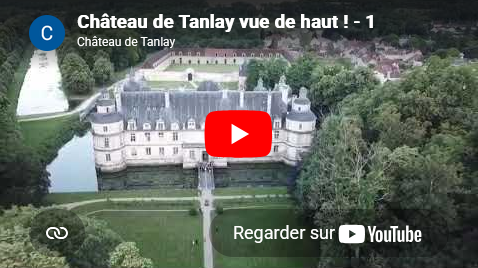
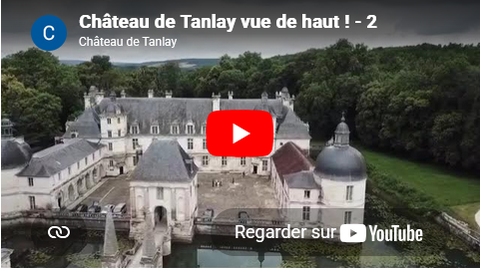

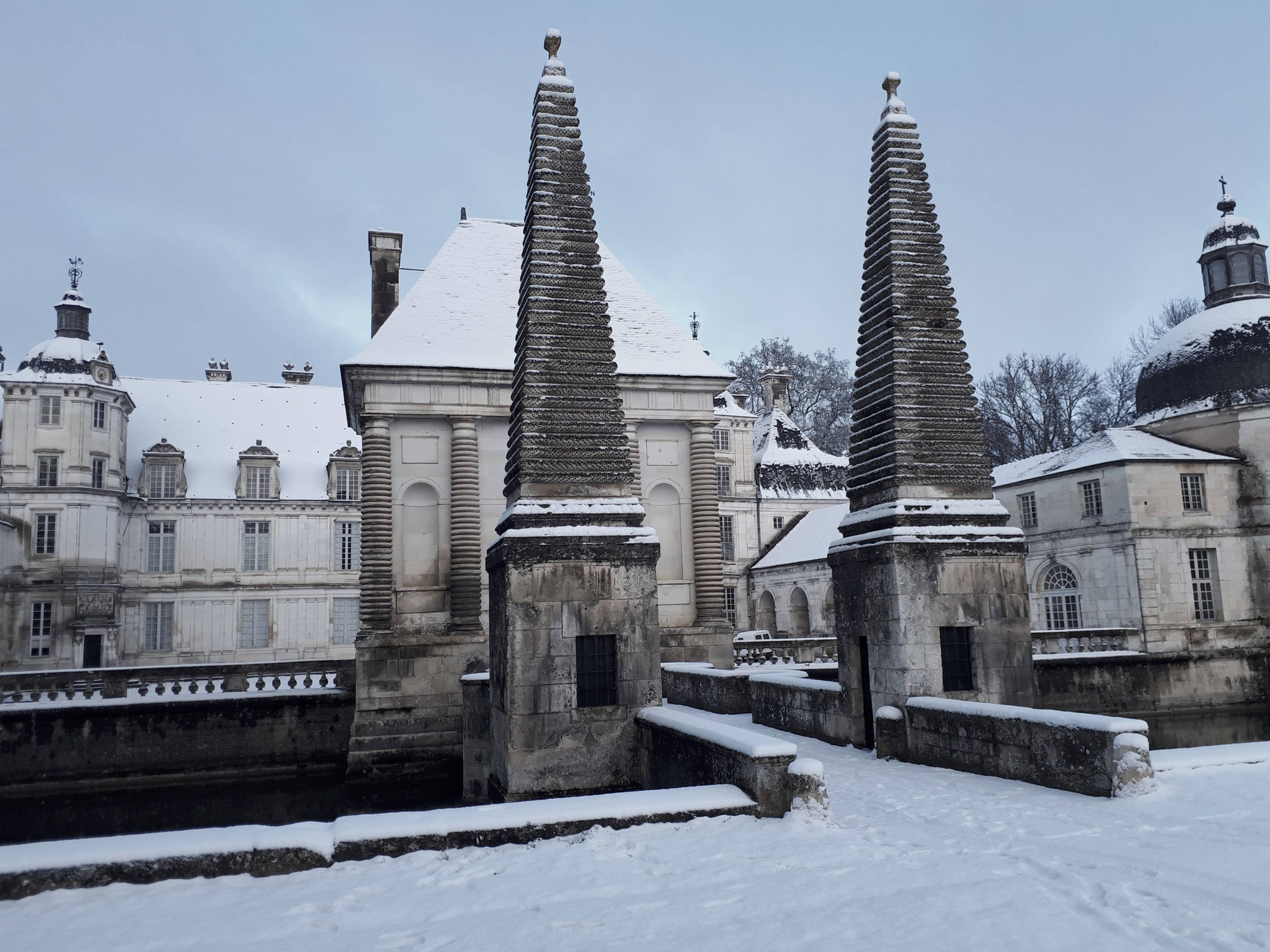
The castle of Tanlay, built in the 16th and 17th centuries and surrounded by a moat, is representative of the French Renaissance style. Certain architectural details, such as the pyramids on the access bridge, the wall surrounding the Cour verte, the Galerie des Césars and the Nymphée, are imbued with Italian taste.
The Castle

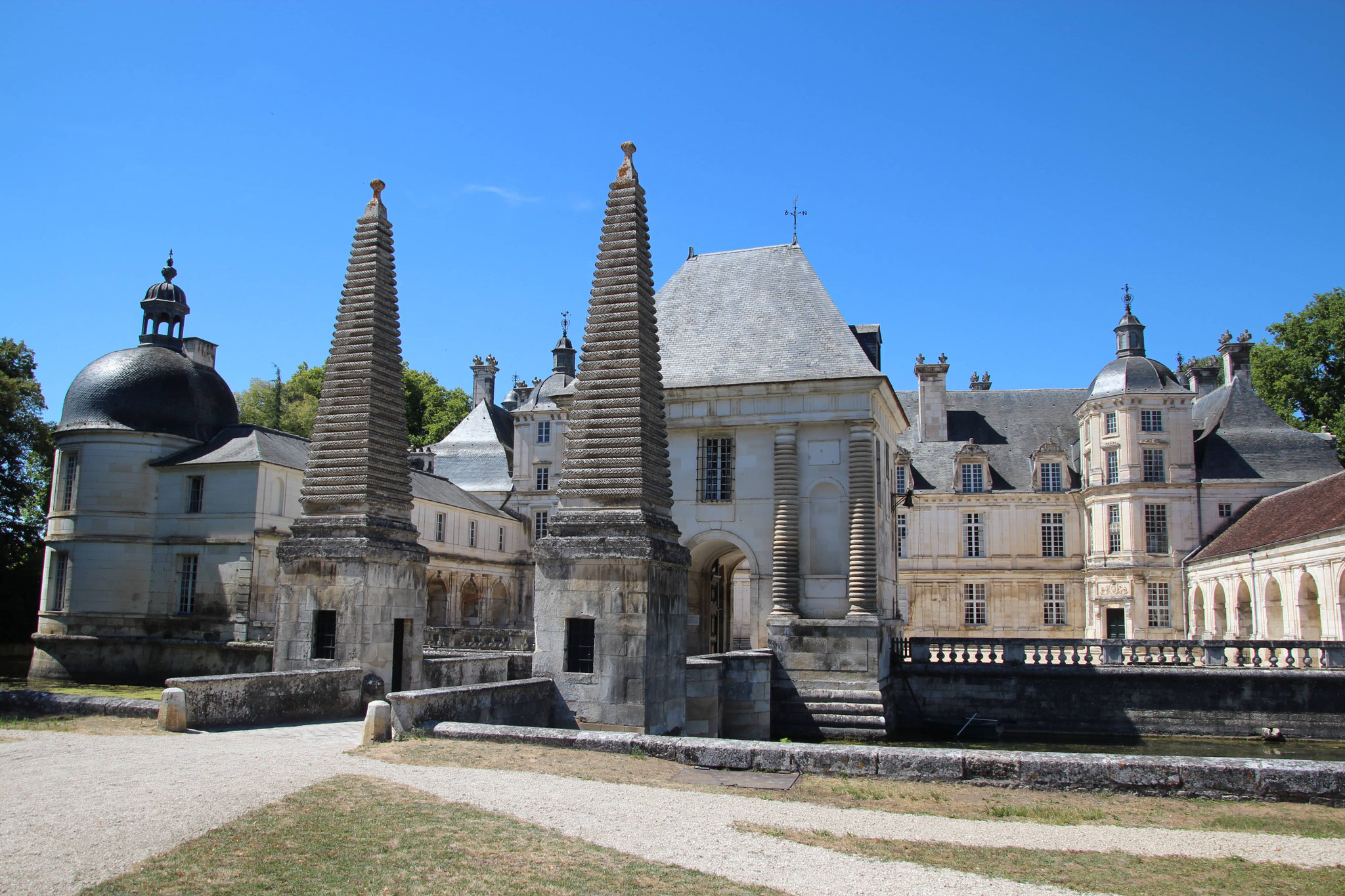
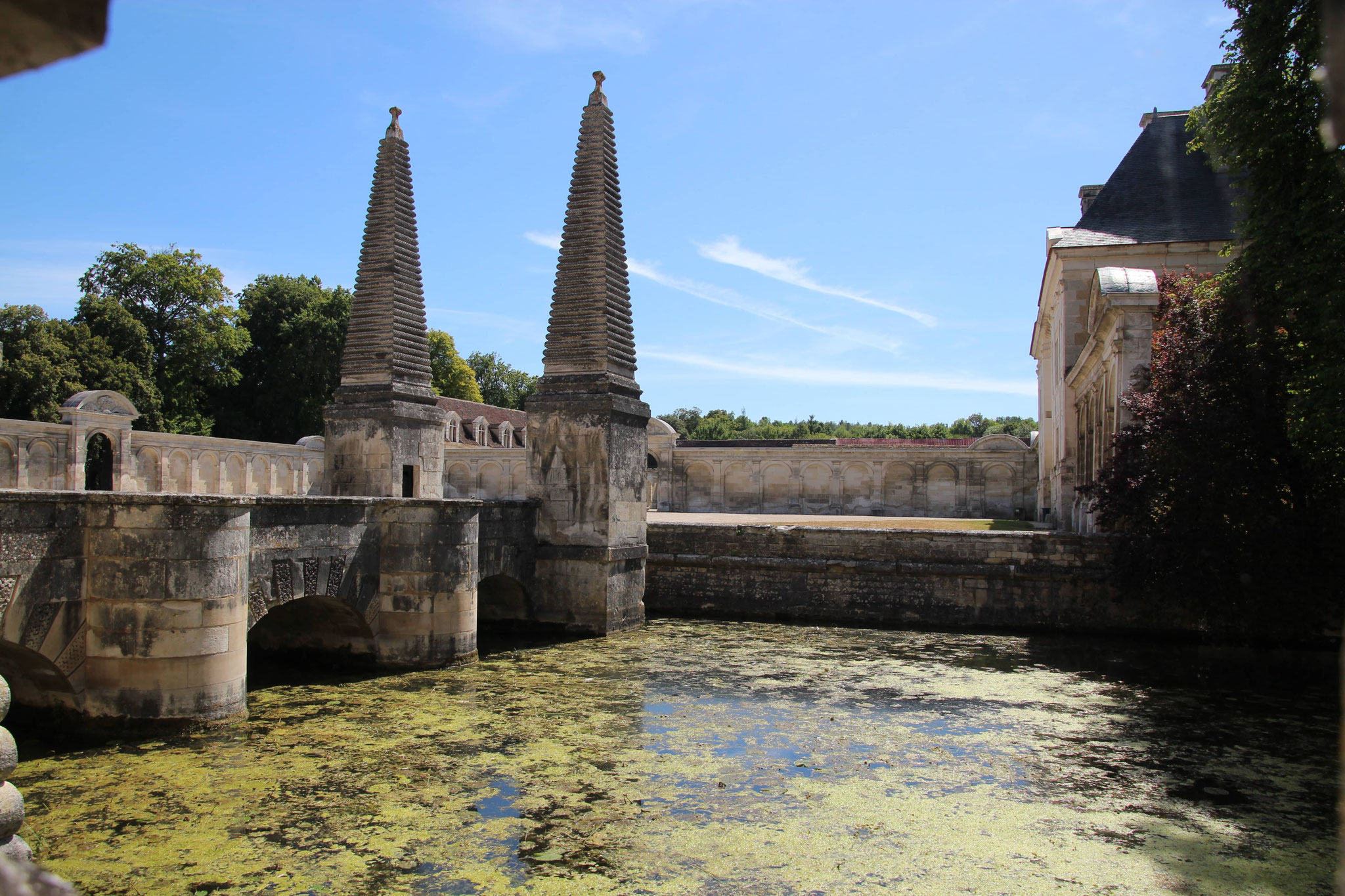
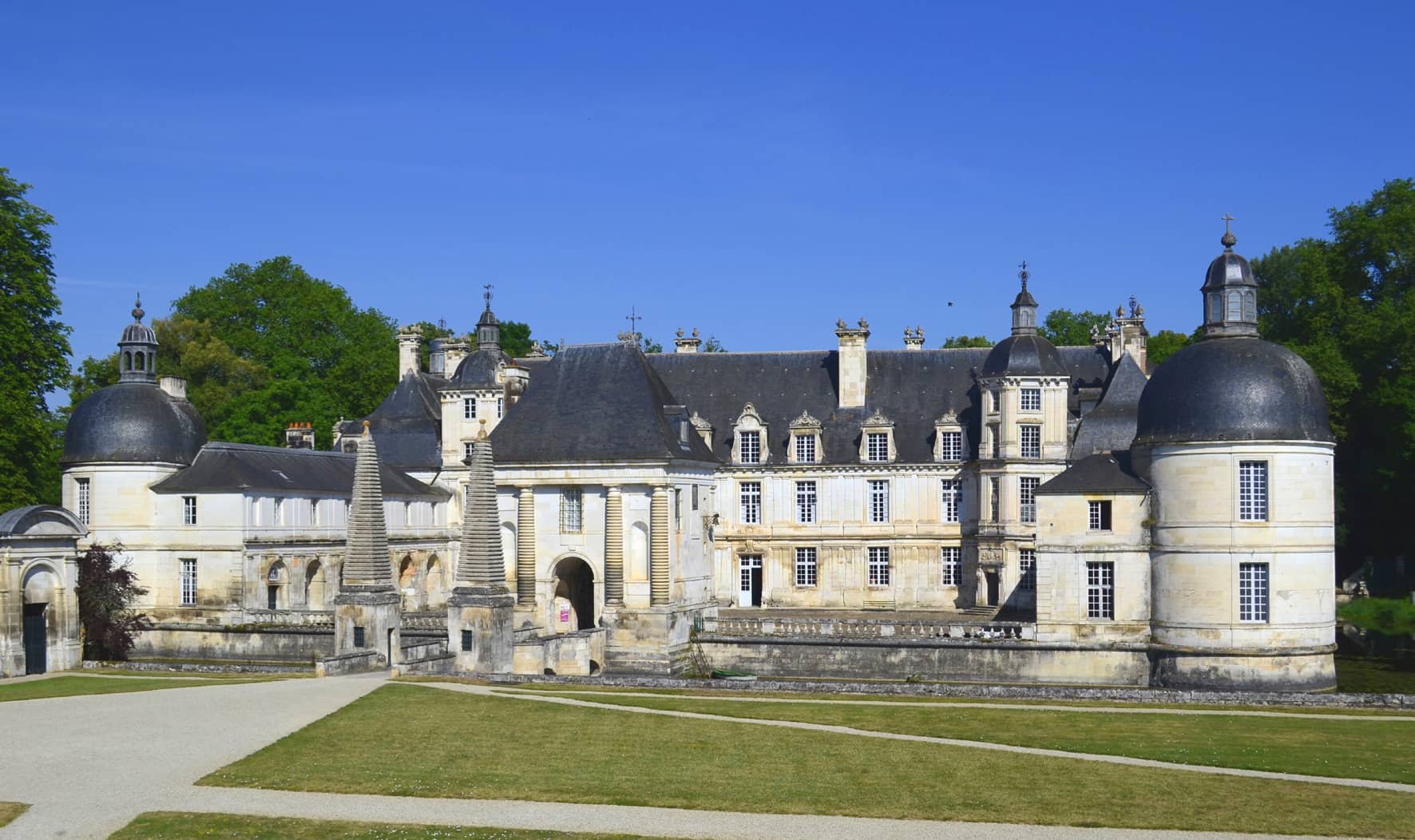

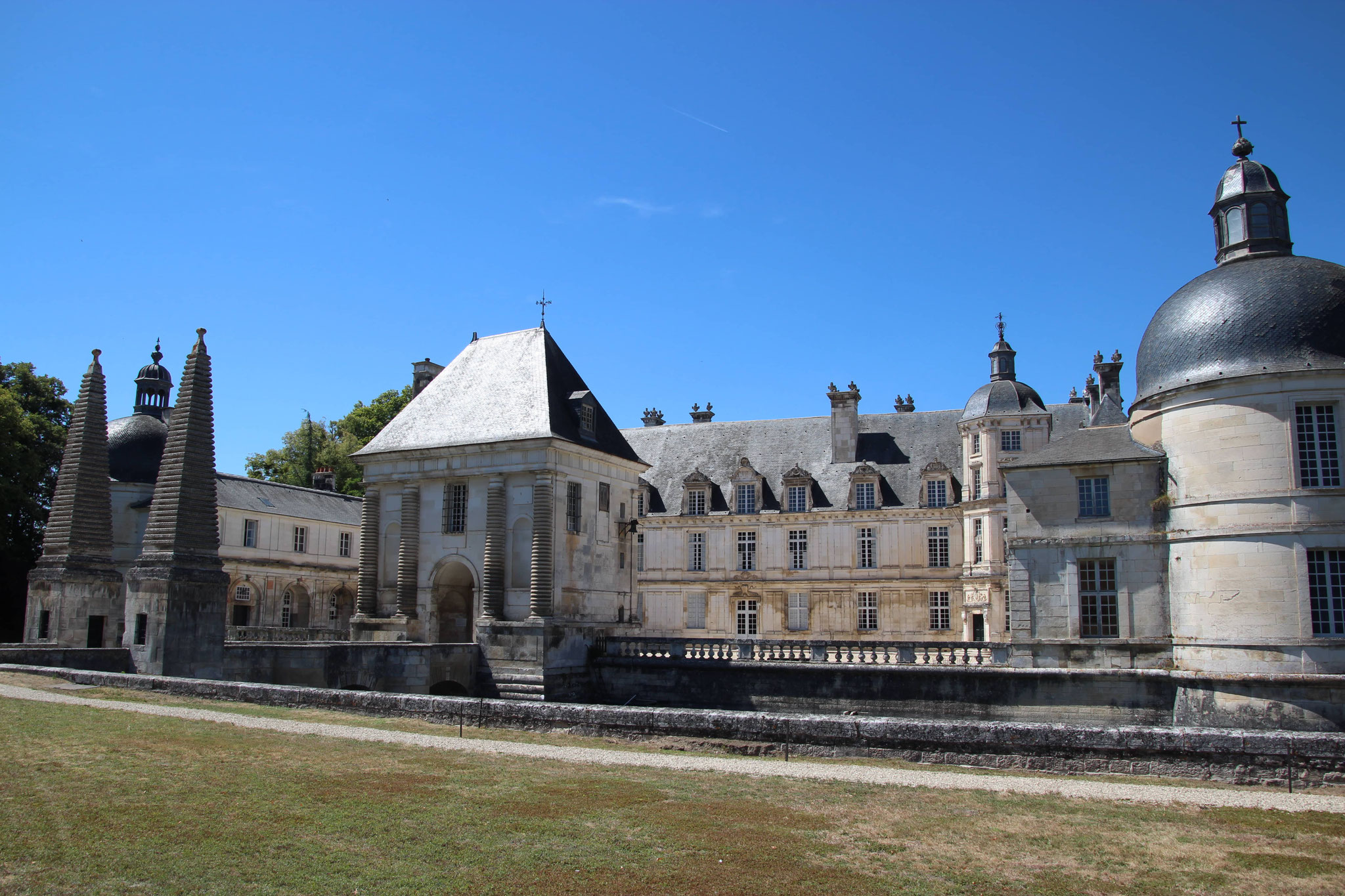
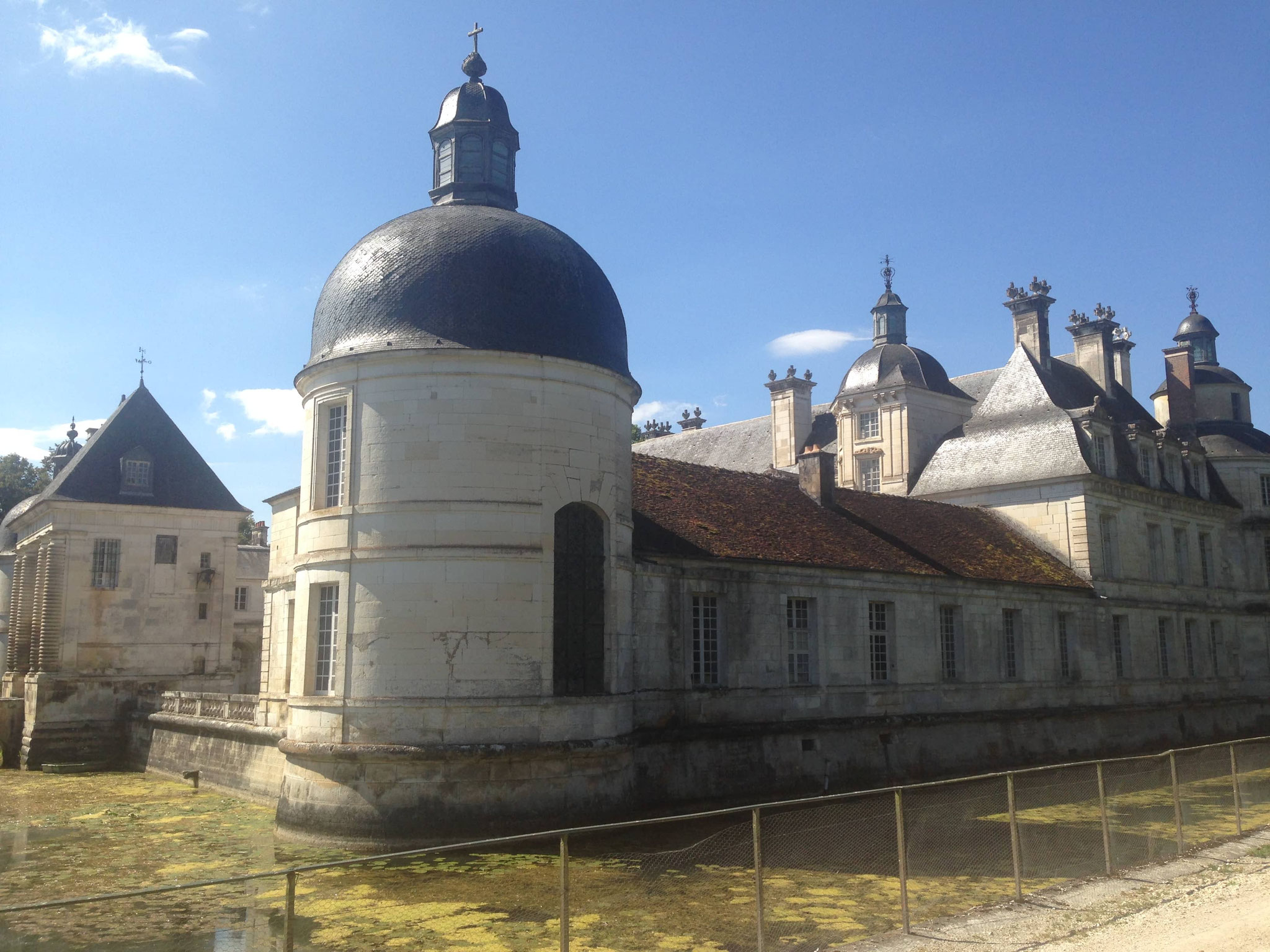


The castle occupies three sides of a quadrilateral surrounded by a moat.
The wings are closed by two round towers with a domed roof topped by a lantern.
At the rear of the main building, on the park side, two high towers covered with a dome and two lanterns superimposed on top of each other occupy the other vertices of the quadrilateral.
The Nymphaeum
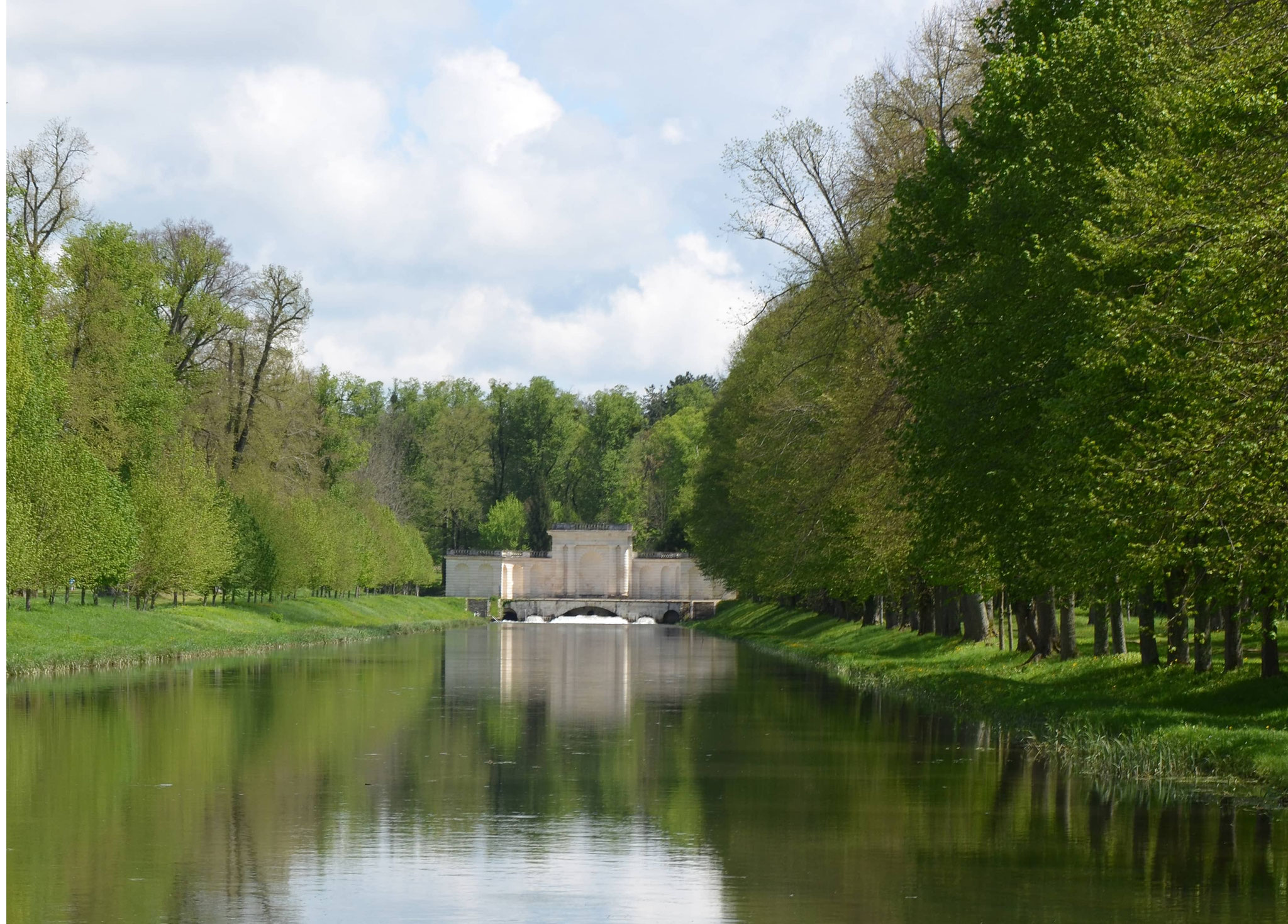
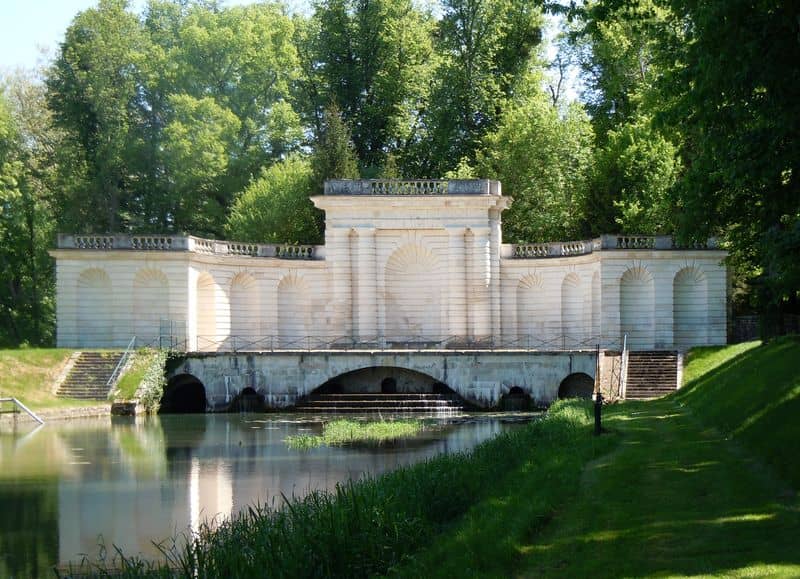
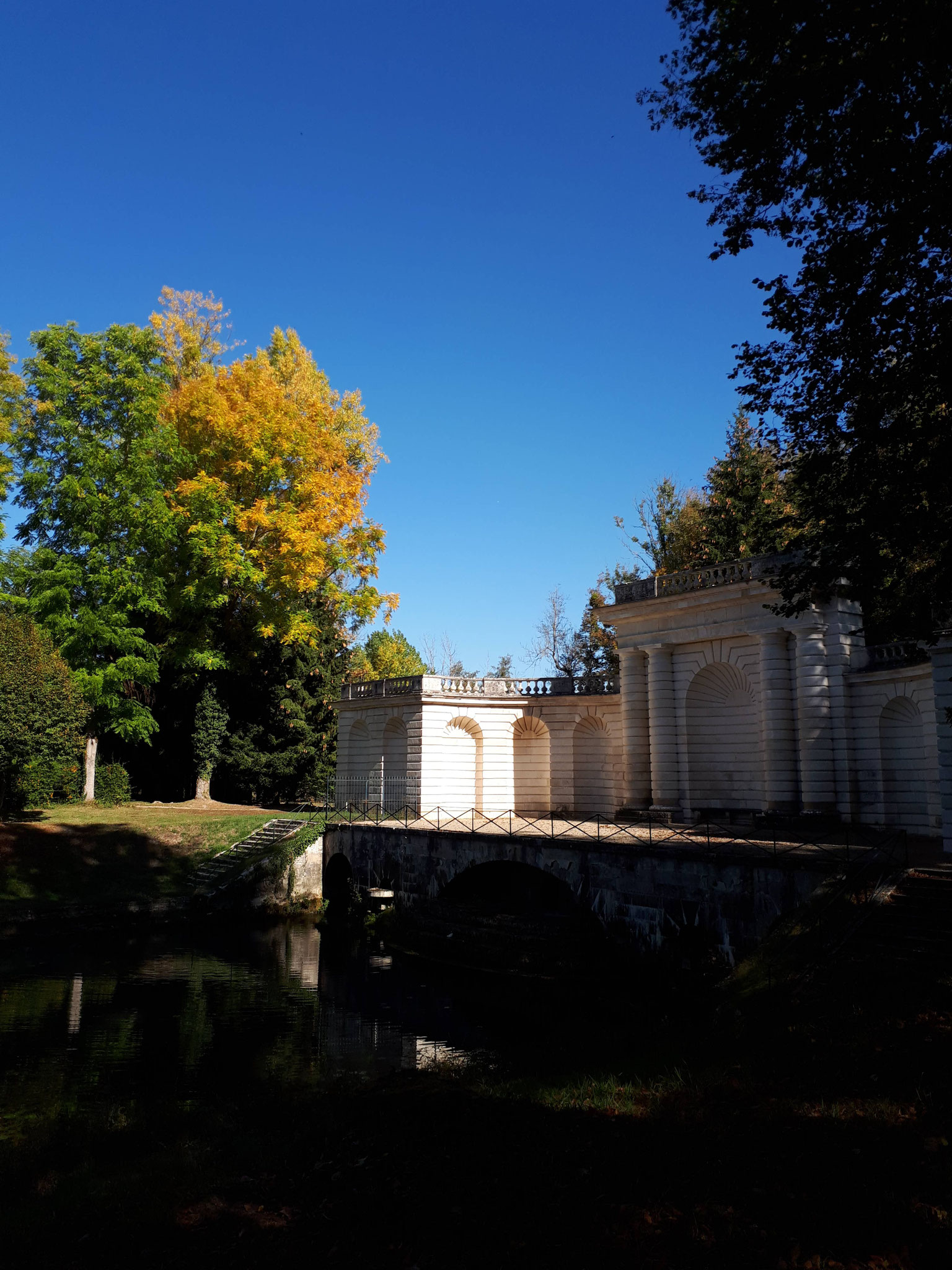
From the park designed by Pierre Le Muet, the large canal remains, nearly 530 m long. It is fed by a beautiful Renaissance nymphaeum.
Nymphaeum: The word nymphaeum (from the Greek numphaion) was first used to describe a sanctuary dedicated to the nymphs. As the latter were deities of water, the term was soon used to designate monumental public fountains.



The "trompe l'oeil" gallery
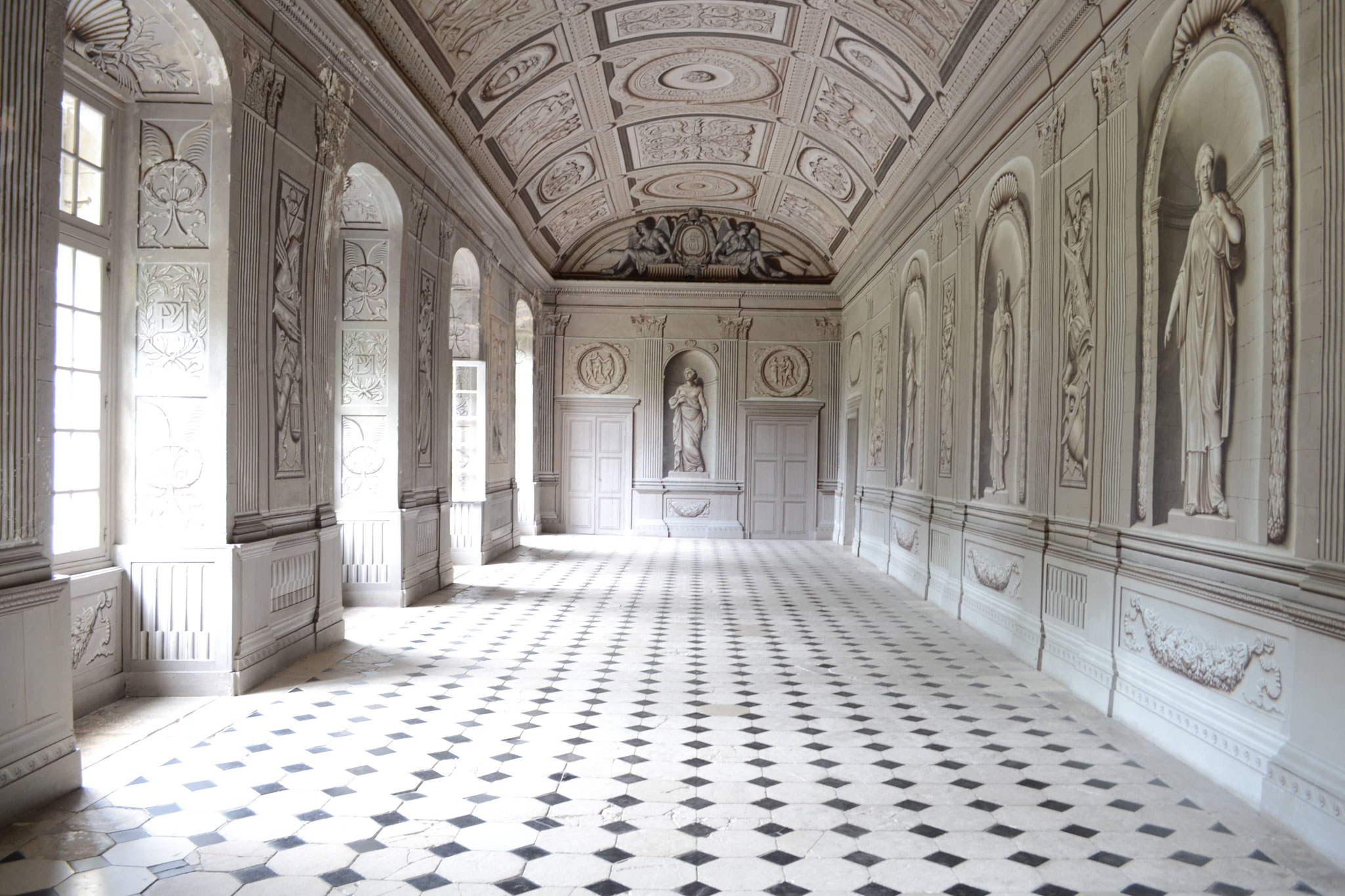


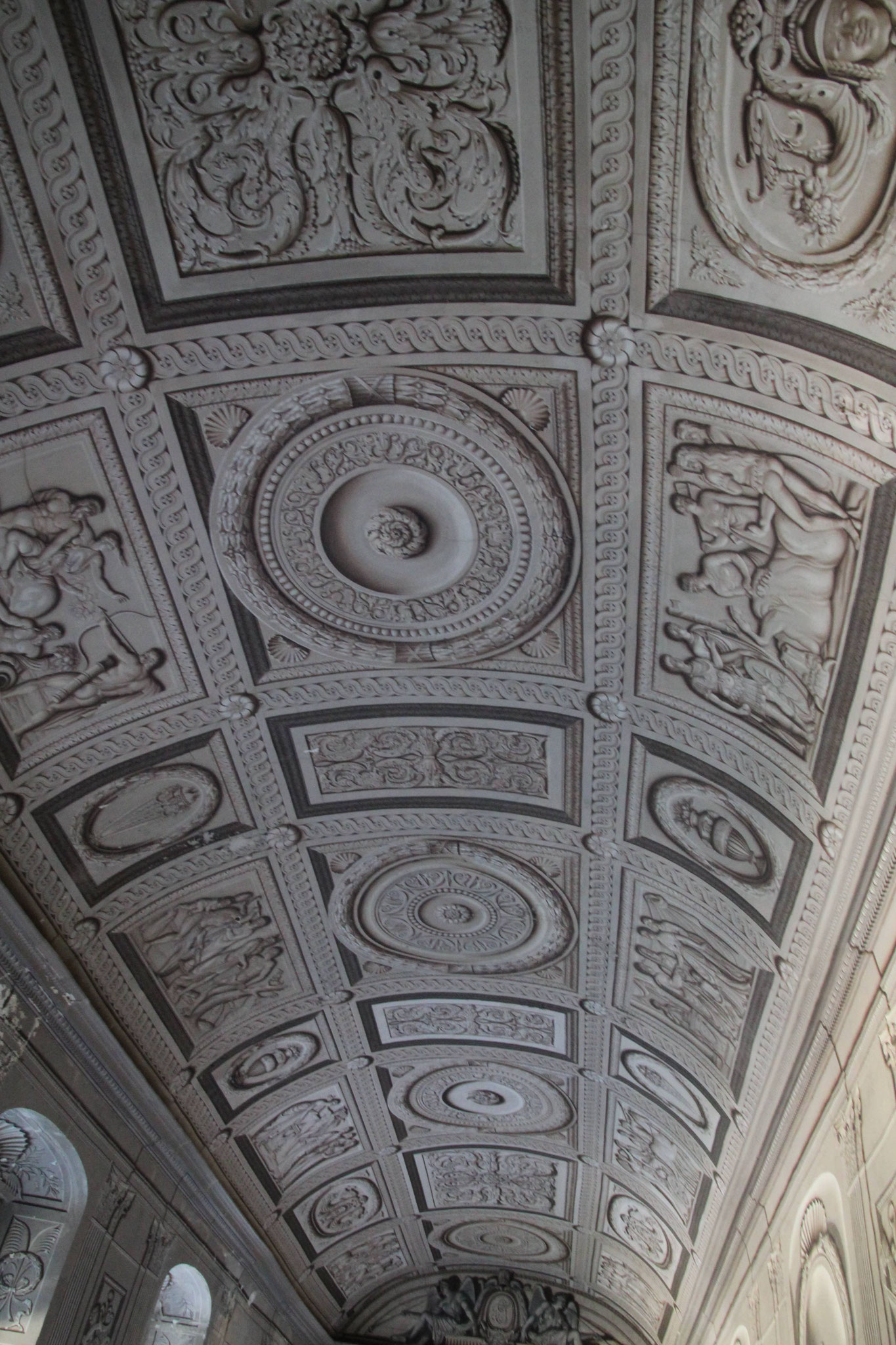


On the first floor is the magnificent 21-metre long gallery, painted in trompe l'oeil and grisaille, depicting ancient statues, executed in 1646 by Rémy Vuibert at the request of Michel Particelli d'Hémery.
Various works were carried out until the last restoration in 1989.
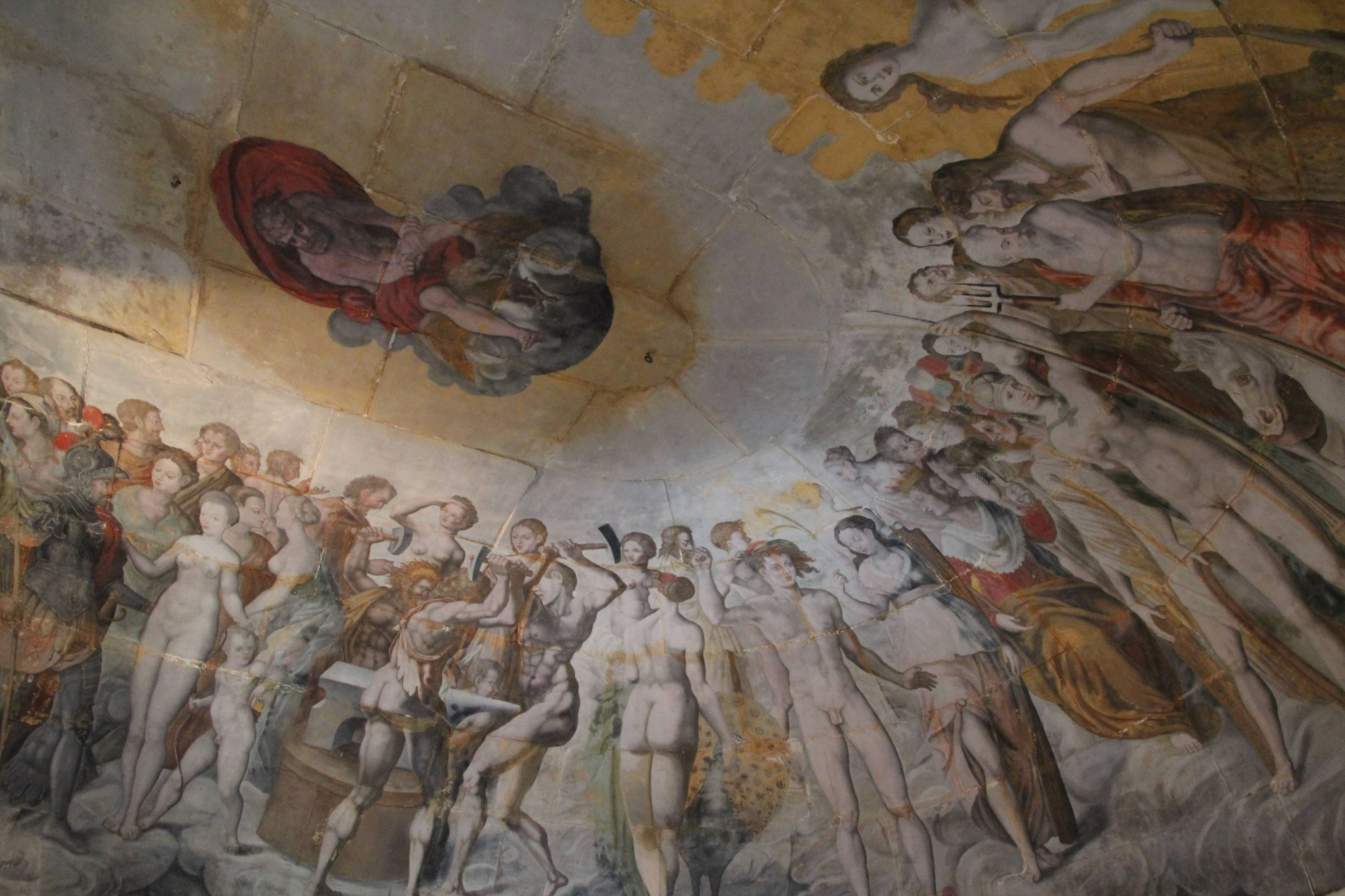
The fresco in the League Tower
The League Tower would have been used for meetings of Protestant leaders.
The vault of the lower room is painted with a Pompeian decoration, whose marine attributes suggest that it may have served as a study for Admiral de Coligny.
The frescoes in the domed vault on the upper floor depict figures from the French court in the guise of Olympian gods.


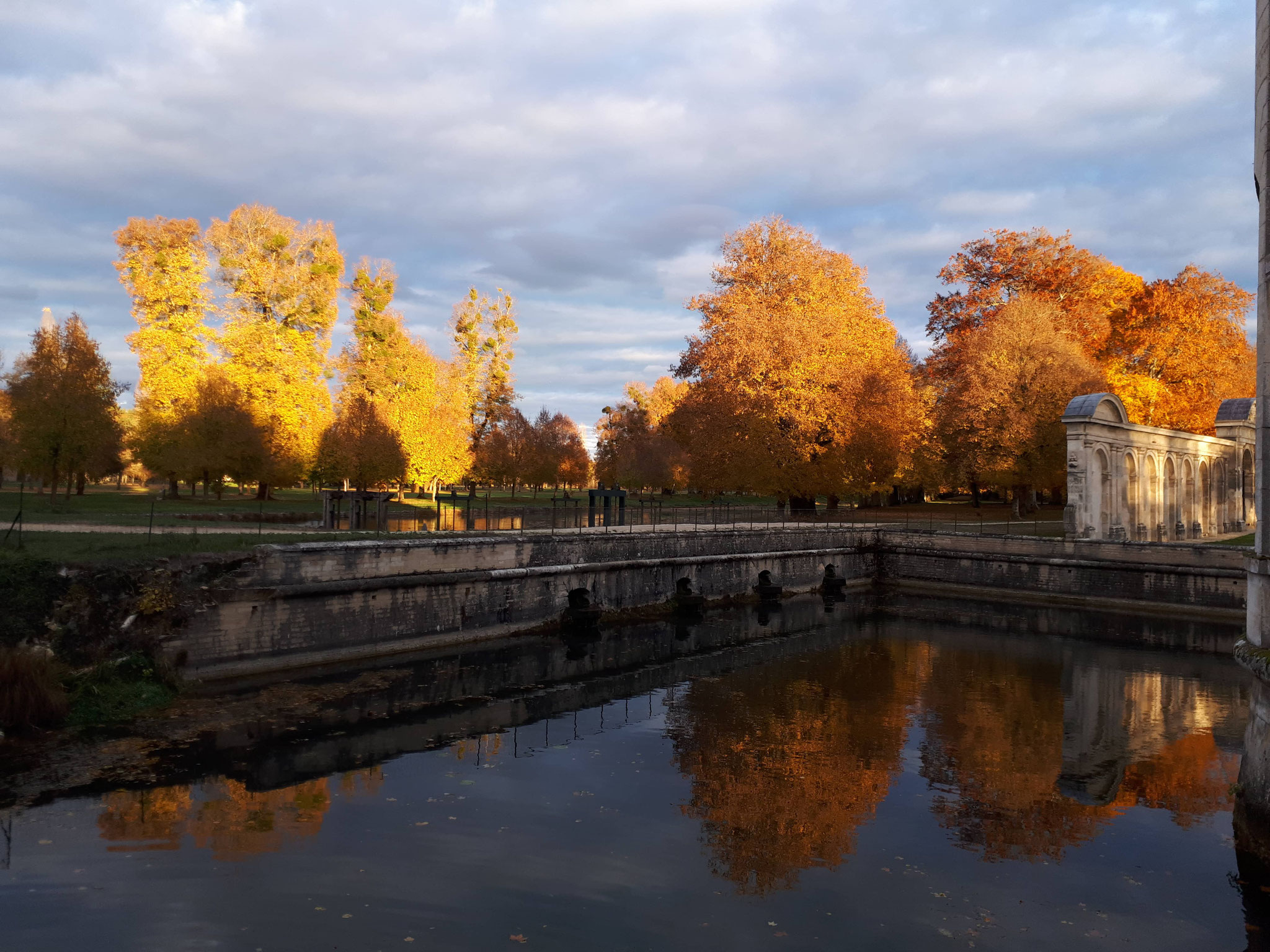
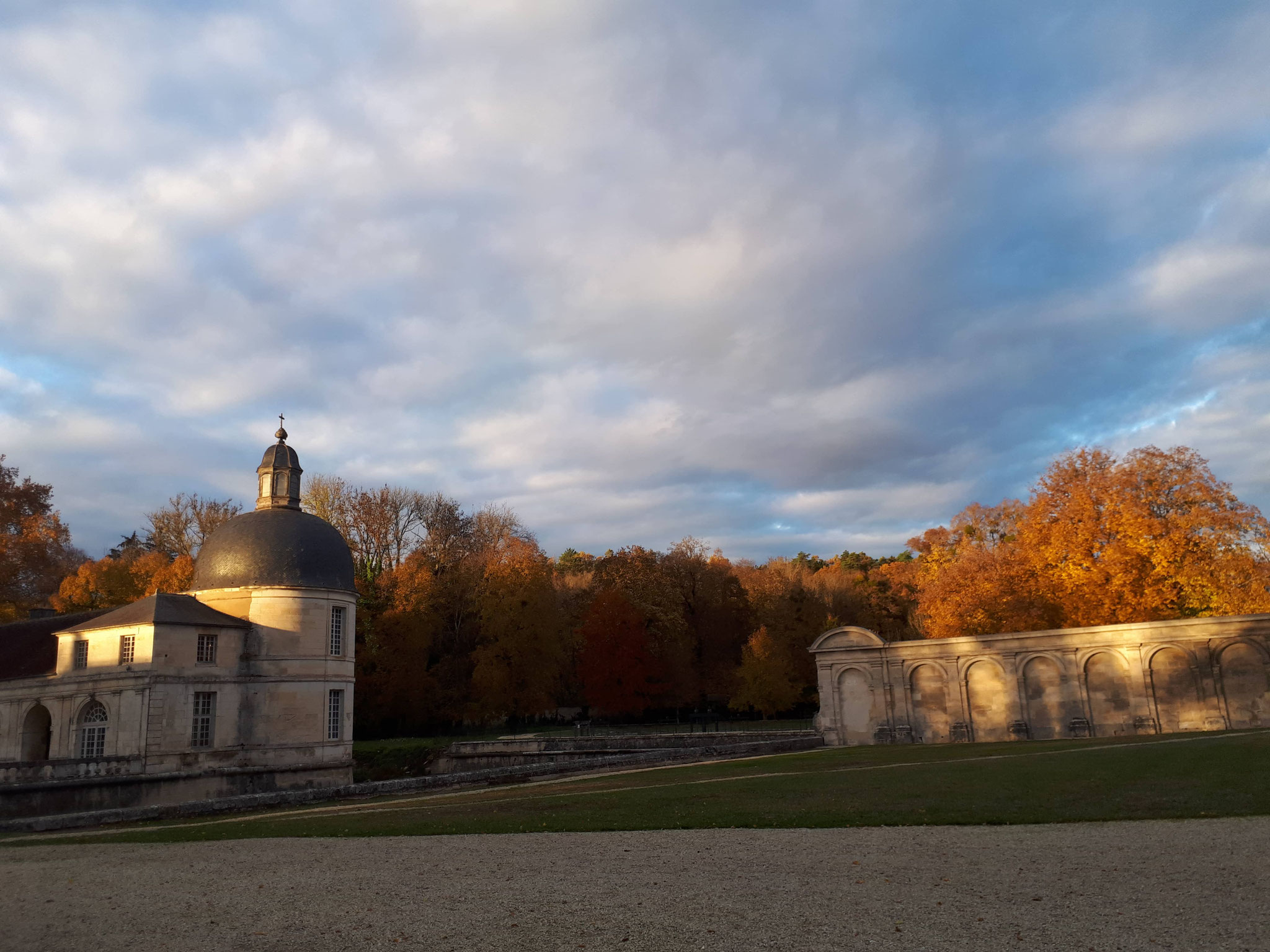
The castle in autumn
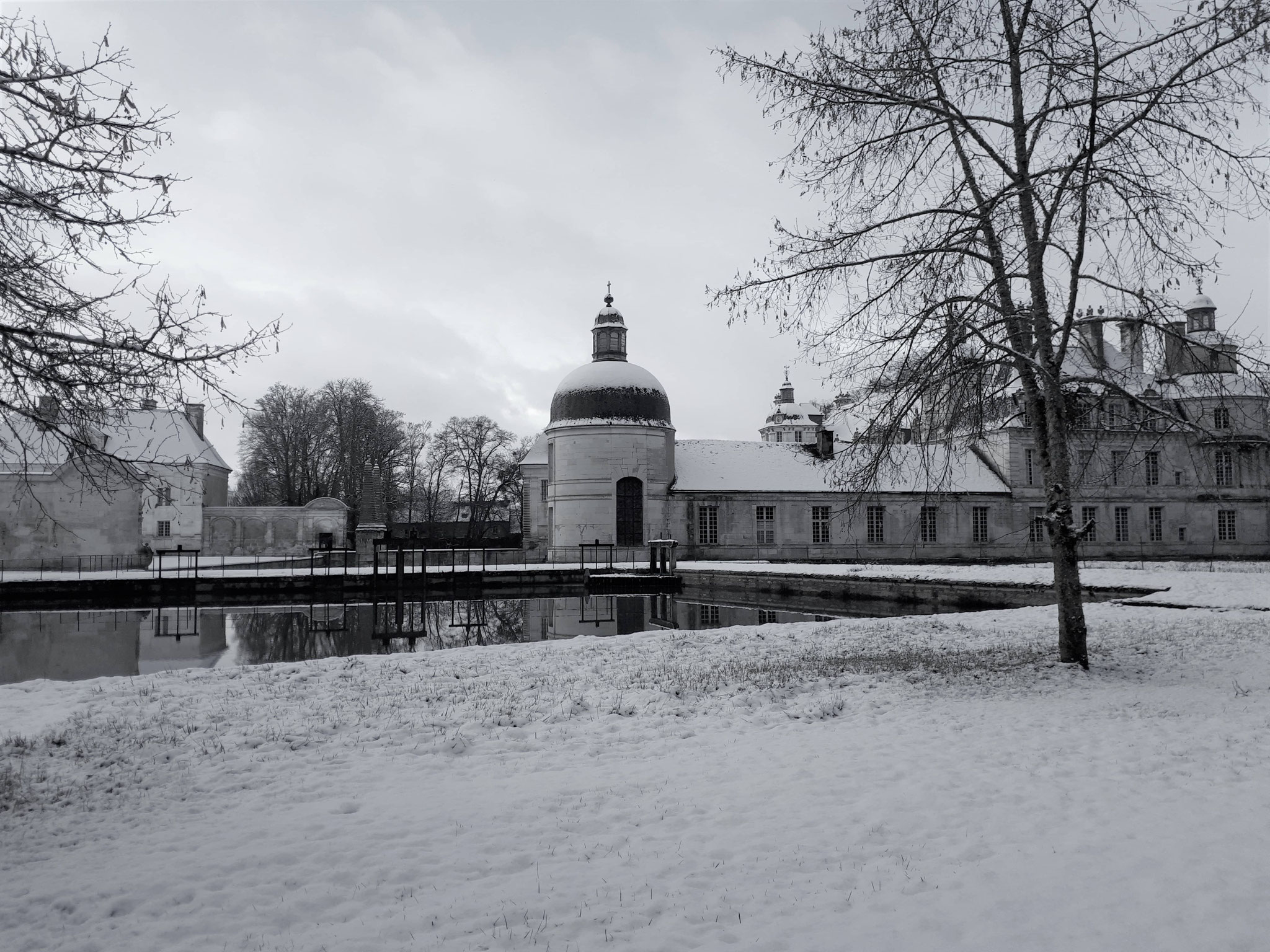
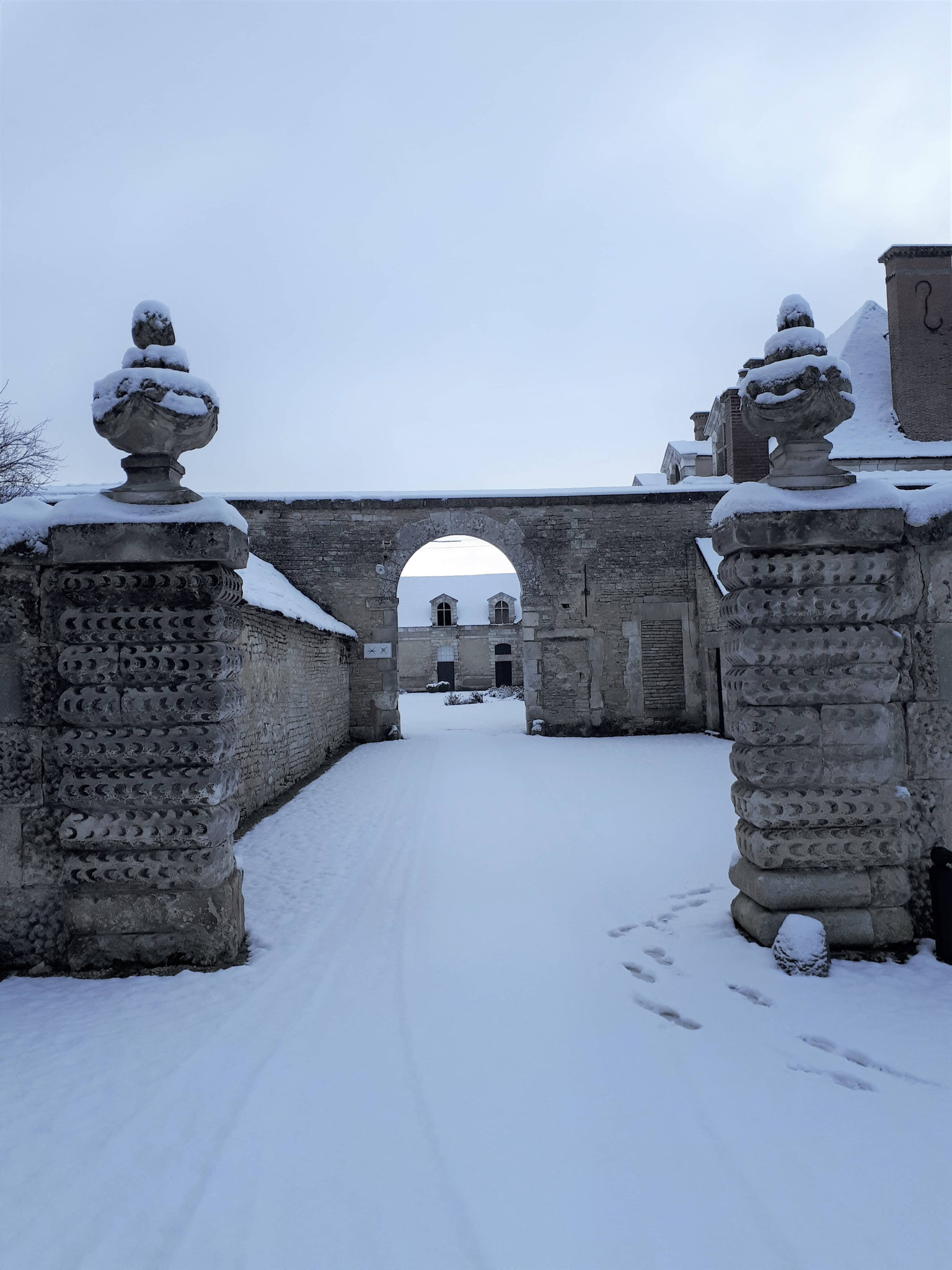
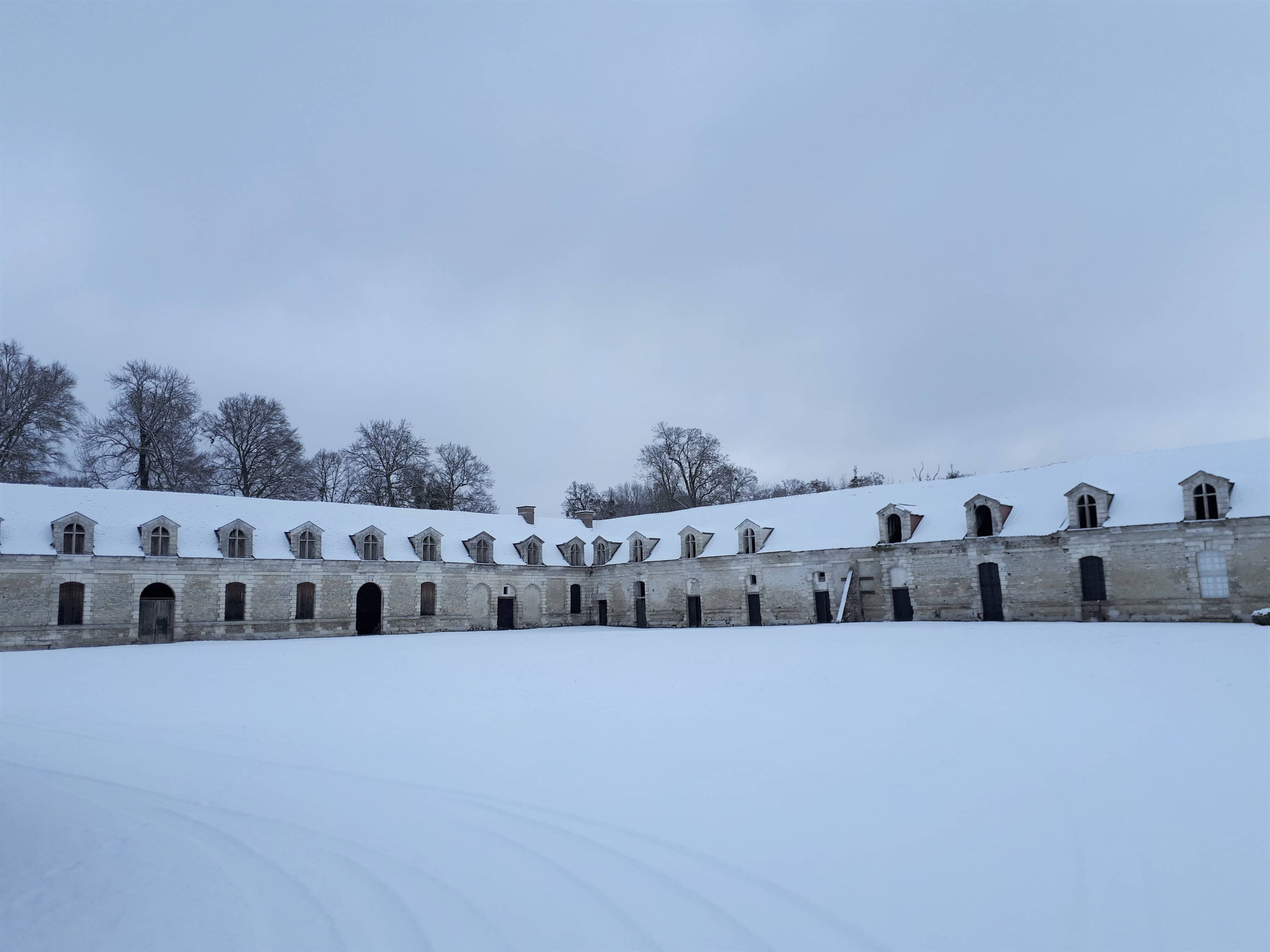
The castle in winter







SUIVEZ-NOUS SUR


LAISSEZ-NOUS UN AVIS


NOS LABELS
